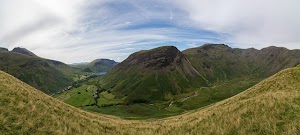
SEOBLOGREEN - It is a staggering number. $21.6 million. That is the market value of a vast, pristine ranch in Montana. Most people would sell it. They would cash out. They would secure a comfortable, rich retirement. But not this man. He chose a profoundly different path. He donated it. This is a massive $21.6 million gift directly to conservation.
This story is not just about money. It is about legacy. It is about the soul of the American West. It highlights a growing movement. Ranchers are choosing land preservation over liquidation. They are making a final stand against endless development.
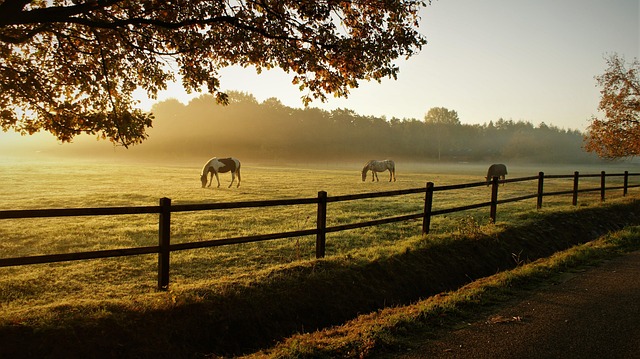 |
| Gambar dari Pixabay |
The Rancher's Stance: Legacy Over Liquidity
This Montana rancher's identity might not be the central focus. His action is. He owned a sprawling piece of Montana heaven. It includes miles of pristine land. There are majestic mountain views. It encompasses vital wildlife corridors. A property like this is more than valuable. It is a treasure. Especially in today's hot, frantic real estate market.
The demand is insane. Ultra-wealthy buyers are flocking to Montana. They want huge, private, isolated estates. They want luxury and escape. Selling the ranch would have been incredibly easy. A quick closing. A huge, immediate payout. The rancher walked away from all that cash. He chose a path that ensures the land remains wild. He chose to preserve the landscape. Not allow it to be carved up. That choice is the true heart of this narrative.
The money temptation was huge. The responsibility was greater. For many lifelong ranchers, the land is family. It is history. Selling it to a developer feels like betrayal. Donating it is an act of profound stewardship.
The Mechanics of a Massive Donation
Why donate such an asset? It is not merely pure, selfless altruism. Though that emotion is certainly a huge, driving part of the decision. There is also a very sharp, intelligent financial angle. This is where the practical details merge with the ethical ones.
Ranchers often own huge assets—the land itself. But they frequently have tight cash flow. They face massive future estate taxes. If they sell the land for $21.6 million, they face a huge capital gains tax bill. Millions would go immediately to the IRS.
Donating the land, or placing it under a permanent conservation easement, changes the financial equation entirely. It provides a significant federal income tax deduction. This deduction is not trivial. It can offset other income sources. It reduces the tax burden dramatically for the donor. For landowners facing complex estate planning problems, this is a powerful, elegant tool. They save the land from development. They save on taxes. It is a rare win-win situation, both fiscally and ethically.
The ranch went to a reputable land trust. These trusts legally ensure the land remains undeveloped. Permanently. They protect the local biodiversity. They maintain the traditional, working landscape character. The $21.6 million figure is the professionally appraised market value. It highlights the stunning magnitude of the man's generosity.
A New Trend Emerges on the Range
This Montana rancher is not an anomaly. He is, in fact, a powerful pioneer. Experts are now observing a surge in similar decisions. More and more ranchers are considering conservation easements. More are moving toward outright land donation.
Why is this happening now? The primary factor is demographic shift. Many long-time ranchers are aging out. They are often the final generation actively working the family land. Their children frequently do not want, or cannot afford, to take over the massive operation.
The land must be addressed. The options are stark and limited. Sell it to a developer for maximum profit. Or protect it through conservation. The choice is often agonizing. But the conservation route offers profound peace of mind. It honor's the family's deep, generational history with the land. It ensures their specific way of life, or at least the land's ecological integrity, continues unbroken.
This trend is accelerating dramatically across the entire American West. From Wyoming to Colorado, the development pressure is intense. High-net-worth individuals are driving up land prices to impossible levels. They convert traditional working ranches into isolated, luxury compounds. This market dynamic squeezes out traditional agriculture. Conservation donations act as a necessary bulwark. They are a powerful, strategic defense against unchecked, destructive development.
The US government also helps. Tax codes and incentives are specifically structured to strongly encourage this charitable behavior. It is sound public policy that supports private philanthropy and local ethics. The result is the preservation of American open space. It is a transaction rooted in sharp financial logic. It is also deeply emotional. It is ultimately practical.
The Human Interest Factor
Think about the life of this rancher. He spent decades working that precise patch of land. He knows every creek, every rise, every animal path. That land is not just an asset on a dusty balance sheet. It is his life story. Selling it to an outsider who would immediately carve it into lots would feel like a profound personal betrayal. Donating it is an act of love. An act of respect.
His decision sends a clear, powerful message. Land value is not solely measured in dollars per acre. It must also be measured in clean water. In wildlife habitat. In limitless open sky. He is prioritizing the crucial intangible over the immediate, tangible financial payoff. This is a powerful story of heart winning out over the wallet. The $21.6 million figure is impressive, yes. But the land itself, saved forever, is truly priceless.
This single, massive act encourages countless others. It shows them a viable alternative. It offers a noble, financially sound alternative to simply selling out. Ranchers are famously proud. They value their independence. This conservation method allows them to retain control over the ultimate destiny of their land. Even as they effectively give it away. They dictate the terms of the easement. They ensure the land is used responsibly, forever.
The coming decade will likely see many more such large-scale donations. The Montana man set a crucial precedent. He demonstrated the financial feasibility. He showed the immense emotional reward. He demonstrated true, lasting legacy planning. It is a quiet, powerful revolution taking place on the range. A revolution measured not in conflict, but in preserved acres. This is how land is saved. One massive, generous decision at a time. The West is changing. For the better.
Source: nypost.com
#MontanaRanch #LandConservation #Philanthropy