SEOBLOGREEN - The phone rings. A family is waiting. Hope hangs in the balance.
This is the reality of organ donation. It is a moment of profound gravity. A life is ending. Another life might begin. But lately, this delicate exchange is failing. The numbers are dropping. It is a terrifying trend. Fewer people are giving life. The waiting lists grow longer. Thousands globally face a desperate, ticking clock. We must ask why.
 |
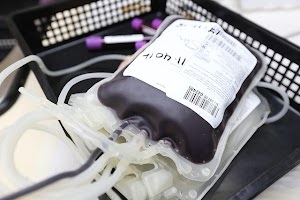
| Photo From Pixabay |
The Data Speaks: A Frightening Dip
Look at the latest reports. The decline is stark. It is not uniform, but it is widespread. Many nations saw donations fall sharply after 2020. This was not a coincidence. The pandemic disrupted everything. Hospitals were overwhelmed. Surgeries were postponed. Routine processes broke down completely.
The Post-Pandemic Effect
COVID-19 changed the entire medical landscape. Organ retrieval demands specific, tight conditions. These were lost during the crisis. Intensive Care Units (ICUs) were dedicated to virus patients. Families were often barred from visiting. The vital, sensitive conversation about consent became impossible. That brief, crucial window of opportunity often closed.
Trust also suffered. People feared hospitals. They feared the medical system itself. This fear lingered long after the lockdowns ended. It became a silent factor. The infrastructure of generosity was damaged. It needs urgent repair.
More Than Numbers: The Human Cost
This crisis is not abstract. It is deeply personal. Meet Sarah. She needs a kidney. She has waited three years now. Every day is a struggle. Her life is tethered to a dialysis machine. She plans her days around her treatment. She feels constantly exhausted. She watches the news for any positive sign. Sarah's story is heartbreaking. It is the story of thousands globally. They are waiting for a stranger's kindness. They are waiting for a systemic fix.
The medical teams feel this pressure acutely. They fight tirelessly. They see the empty slots on the transplant schedule. They know the statistics better than anyone. They feel the guilt of the system's failure. A transplant surgeon recently admitted his frustration. He said the donor pool is shrinking. He said the effort is exhausting. The system needs to support them better.
Shifting Sands of Consent
Many countries are now trying a new approach. They are moving away from "Opt-In." This is the system where you explicitly sign up. Now, they favor "Opt-Out." This is called deemed consent. You are a potential donor by default. If you object, you must register that objection.
Wales adopted this law first in the UK. England followed suit later. The model is based on Spain. Spain has led the world in donation rates for decades. Their success is undeniable. But the law is not a magic bullet. Implementation is the real key. Families must still be consulted. Doctors must still communicate sensitively.
The lack of public education is a major hurdle. Many people do not understand Opt-Out. They think it removes all choice. This is misinformation. The law demands that families are still involved in the final decision. If the deceased person's wish is unknown, the family's view is paramount. Campaigns must clarify this distinction. They must combat fear with facts.
The decline is alarming. The human cost is too high. We need better public campaigns. We need clearer legal frameworks. We need urgent action now. Life cannot wait for bureaucracy. The conversation about giving must start today.
Source: bbc.com
#OrganDonation #TransplantCrisis #ConsentLaws