SEOBLOGREEN - Giving blood is a simple act. It costs nothing but a few minutes. Many people do it purely out of civic duty. They want to help the hospital supply. They want to save an anonymous life. For one survivor, the donation saved her own life.
This is the story of Sarah (a pseudonym used here for privacy). She went to a local blood drive. It was a normal Tuesday afternoon. She sat in the chair. She followed the instructions. The needle went in. Blood flowed into the bag. She thought nothing of it. She received her complimentary cookie and juice. Then she went home. Sarah had fulfilled her duty. She felt good about the help she had provided. She did not know that the next few days would change everything.
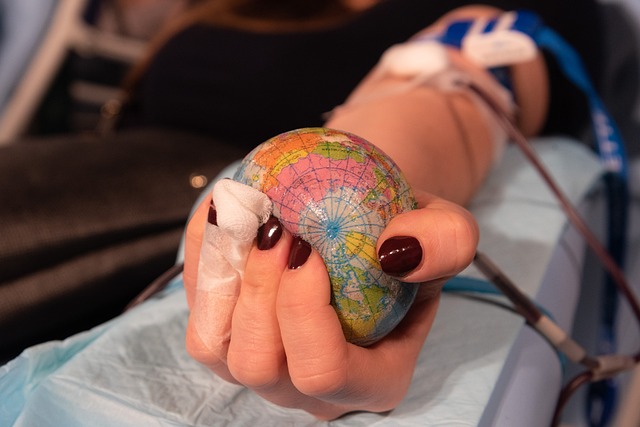 |
| Photo From Pixabay |
The Routine Becomes Revelation
The phone rang a week later. It was not the usual "thank you" call. It was the blood bank. The voice on the other end was gentle. It was also insistent. They needed her to come back immediately. Her initial blood test showed an anomaly. Sarah was confused. She felt perfectly fine. She had zero symptoms. She insisted it must be a mistake. The blood bank representative was professional. They urged caution. They said the markers were concerning.
Sarah reluctantly agreed to a follow-up. She thought it was a formality. Maybe a machine error. Maybe a false positive for something harmless. She arrived at the clinic. More blood was drawn. The samples were rushed to the lab. The results came back quickly. They were not good.
A Tiny Flag
The anomaly was a significant elevation. It pointed toward an underlying blood disorder. Specialists were called in immediately. They performed detailed hematological tests. The diagnosis arrived days later. It was a very early stage of a specific form of cancer. A blood cancer.
The doctors were clear. The diagnosis was almost an accident. This type of cancer is notoriously silent. It hides well in the body. By the time symptoms appear, it is often too late. The cancer is often aggressive by then. The prognosis can be grim. But Sarah was lucky.
The routine blood donation process included standard screenings. These screenings check for transmissible diseases. They also check for certain blood counts. This process flagged the issue. It was a microscopic red flag. It was a tiny error signal in her otherwise healthy blood profile. That flag saved her life. It was a true miracle of modern screening.
The Diagnosis and The Fight
The speed of the diagnosis was crucial. Because it was caught so early, the treatment options were wide open. Her doctors created an immediate treatment plan. It involved targeted therapies. It was a fight, but it was a fight she could win. She started the treatment quickly. The aggressive nature of the disease was countered by its early detection.
Sarah went through the process. She endured the side effects. Her family rallied around her. Through all the difficulty, her gratitude was immense. She kept thinking about that Tuesday afternoon. The simple choice to donate blood. It wasn't saving a random stranger. It was saving herself. "It actually saved a life," she told the news outlet. The life saved was her own.
The Ripple Effect of Altruism
This story is a powerful reminder. Blood donation is not just about replenishing supply. It is about a silent health check. Every unit of blood is screened vigorously. That screening process is designed to protect recipients. It sometimes protects the donor, too. It acts as an unintentional early warning system.
How many others are walking around unaware? How many silent conditions could be flagged this way? Sarah's story is a call to action. It is a promotion of altruism. The two are intertwined. Giving blood is a selfless act that has selfish benefits. It offers a free, high-level health screening.
Sarah is now in remission. She is back to her normal life. She advocates for blood drives constantly. She speaks about the unexpected benefit. She tells everyone her story. She says the donation saved a life. She reminds people that it saved her life. The medical community stresses this point now. Blood drives are life-saving events. They are life-changing for the recipients. They can be life-preserving for the donors, too. That simple prick of a needle offers a second chance. It offers early detection. It offers a miracle. Sarah is living proof of that miracle. It is a beautiful irony of selfless giving.
Source: wcpo.com
#BloodDonation #EarlyCancerDetection #HumanInterest