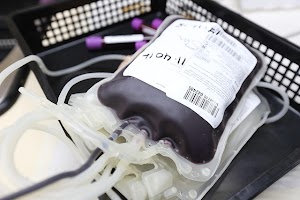
SEOBLOGREEN - This is a story about an extraordinary farewell. It is about a mother who changed medical history. She made the ultimate gift. The woman, an Australian mother, became the world's first organ donor after voluntarily self-administering Voluntary Assisted Dying (VAD) medication. This was not random. It was meticulously planned. It required immense legal and medical coordination. Her action redefined the boundaries of dying with dignity. It offered profound hope to those waiting for transplants.
This mother was facing a terminal illness. Her suffering was intractable. She made the brave choice to pursue VAD. But she saw a final opportunity for altruism. Her death could be a beginning for others. This idea immediately faced immense obstacles. VAD programs are complex. Organ donation requires rapid retrieval. The two processes rarely align.
 |
| Gambar dari Pixabay |
H2: The Final, Brave Choice
The logistics were staggering. VAD is often performed at home. Organ donation must happen in a sterile surgical setting. The VAD process demands strict legal oversight. The donation process demands precision timing. Everything had to be perfect. The mother's medical team worked for months. They navigated complex legal and ethical mazes. This had never been done before.
The mother was the key to this success. Her resolve was absolute. She wanted her death to matter. She wanted her final act to save lives. The medical team established a protocol. It ensured VAD compliance. It also secured organ viability. She was transferred to a hospital setting for the final moments.
The process unfolded with immense dignity. She self-administered the medication. Her VAD team was present. Death was confirmed under strict legal and medical criteria. The organ retrieval team then moved swiftly. Timing is critically important. Every minute counts for the organs.
H3: A Legacy Beyond Words
Her commitment was a success. Her final gift was profound. She donated multiple viable organs. Her decision directly saved the lives of several people. It turned immense personal tragedy into a communal triumph. Her identity is protected for privacy. But her legacy is now international. It is a story of ultimate selflessness.
This case sets a powerful precedent. It shows VAD patients can be viable donors. It requires a specific setup. It needs cooperation between legal and medical teams. Most importantly, it requires the donor's clear, informed consent. This mother provided that clarity. She provided that courage.
H2: Navigating the Ethical Waters
The ethical considerations were paramount. Could the mother's consent be truly free? Yes, it could. Her wish was documented repeatedly. It was stable and unwavering. The medical consensus was clear. Autonomy extends to the final choice. This includes the choice to donate.
The donation protocol needed to be transparent. It needed to be distinct from the VAD process. The focus remained on VAD until death occurred. Only then did the donation process begin. This ensured no conflict of interest. It maintained the integrity of both systems. This legal clarity is now a blueprint.
H3: The Future of Giving
The demand for transplant organs is massive. Waiting lists are long. This world-first case opens a new, ethical supply route. Countries with VAD laws are now studying the Australian protocol. Canada, New Zealand, and parts of the United States may follow. They can learn from this mother's bravery.
The medical community is hopeful. This innovation confirms that life-saving potential exists even at the moment of death. It broadens the definition of end-of-life care. It includes a final, powerful act of giving. It highlights the collaboration needed between law, ethics, and medicine.
This mother was an ordinary person. But her final choice made her extraordinary. She gave life as she said goodbye. Her story is a testament to human compassion. It is a shining example of hope in the face of despair. Her gift will be remembered forever.
Source: abc.net.au
#VoluntaryAssistedDying #OrganDonation #MedicalEthics