SEOBLOGREEN - The world has over eight billion people. That is a massive number. Yet, for one woman, the entire global population yielded just a single name. Just one known person can save Sian Chathyoka's life. That is the terrifying reality of rare blood cancer.
Sian is a 56-year-old mother of two. She is a former social worker. Last year, she received a devastating diagnosis: aggressive myelofibrosis, a rare blood cancer. Her only hope, her last lifeline, is a stem cell transplant. She must find a perfect match.
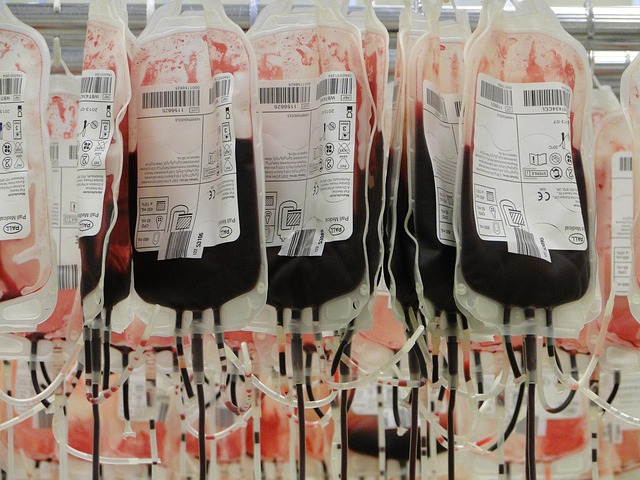 |
| Photo From Pixabay |
The global search began. It stretched across every country and every registry. The result was shocking. Only one matching donor existed on the entire worldwide register. Sian called this person a "selfless stranger". She is now preparing for the transplant. She is fighting to stay upbeat, but the situation is "very difficult". Her story highlights a silent crisis in global medicine. It is a story of genetics, inequality, and the urgent need for action.
The Global Search for a Perfect Match
Finding a stem cell donor is not like matching blood types. It is far more complicated. It requires a match of Human Leukocyte Antigens, or HLA. Think of HLA as a genetic fingerprint. If the HLA match is not perfect, the patient's body will reject the new cells. This is called Graft-versus-Host Disease (GVHD). It is often fatal.
The key to a match lies in ethnicity. Patients are much more likely to find a suitable donor within their own ethnic group. Genetic heritage dictates HLA markers. This is why donor diversity is critical.
The HLA Lottery: Why Genetics Matter
The current worldwide registry is heavily unbalanced. For many non-Caucasian ethnic groups, the pool is disproportionately small. In Canada, for example, 71% of registrants are Caucasian. Black, Aboriginal, and Southeast Asian donors each make up less than 1% of the registry. This gap means patients from minority backgrounds face impossibly long odds. One Canadian study showed that East Indian and Caucasian patients had the highest success rates in finding a donor. Conversely, Black and Chinese patients had much lower match rates. This is not a matter of choice. It is a matter of representation.
Sian Chathyoka's single match is a miracle. For thousands of others, the register remains empty. They wait. They rely on weekly blood and platelet transfusions just to stay alive. The clock keeps ticking. The search for a donor becomes a race against time, framed by genetic limitations.
Beyond the Match: The Hidden Survival Crisis
New data shows the problem is deeper than just finding a match. It is about survival after the transplant.
Recent research reveals alarming health inequities. A study looked at historical UK transplant data. It covered nearly 14,000 patients between 2009 and 2020. The findings were stark. Ethnicity affects survival rates following a stem cell transplant.
Black and Asian patients showed worse survival outcomes compared to White patients. This difference was independent of the level of tissue type matching. For cancer patients of any age, Black and Asian patients were 1.5 times more likely to die within five years of the transplant. For Asian pediatric cancer patients, the risk of fatal complications was 32% in five years. This is compared to 15% for White patients.
The implication is massive. It is not enough to find any match. Medical teams must find the best match. The lack of diversity in the registry increases the likelihood of a less-than-perfect match. It also means that even with a match, minority patients may face higher risks post-procedure. Doctors do not yet fully understand the reasons behind these survival disparities. But the data shows the urgent need for change. The medical community must work to ensure equal outcomes for all patients.
Sian's fight brings this crisis into sharp focus. Her single lifeline is a call to action for the world. She relies on the kindness of a selfless stranger. We must all join the register. We must diversify the pool. A simple cheek swab could be the difference between life and death for someone fighting for their second chance. Sian says it best: "Just signing up to the register, you can literally save a life". Health is a luxury, she notes, and we should be grateful for it. Be the one. Be the match.
Source: bbc.com
#StemCellDonation #BloodCancer #DonorRegistryDiversity