SEOBLOGREEN - The bag was heavy. I drove it to the thrift store. My heart felt good. A small act of kindness. Reducing waste. Helping the community. Then I saw a sight. A dumpster overflowed. It was full of donations. Not trash. It was my bag. Or bags just like it. My good intentions, tossed aside. A painful lesson.
The Donation Dilemma: Why Thrift Stores Throw Away Your Generosity
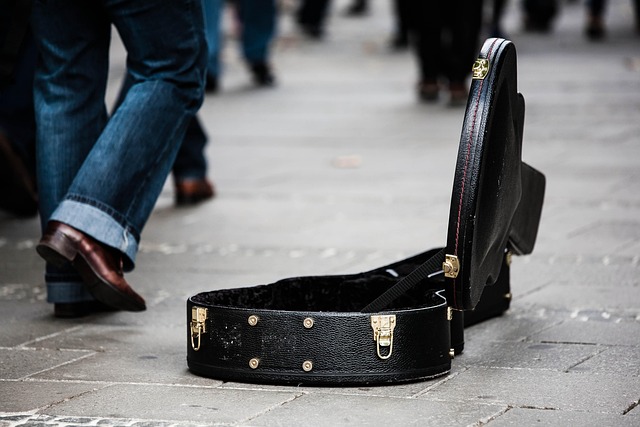 |
| Photo From Pixabay |
People mean well. We declutter. We want our items to find a second life. The thrift store seems the perfect place. A win-win. They get inventory. We get space. But thrift stores are not landfills. They are businesses. They are charities. They have rules. They have costs. Unwanted donations are a major expense. They must pay to haul away the junk. Your donation can become their burden. Here are seven common items they quietly throw in the trash. You must know this truth.
1. Expired Baby Gear: The Safety Nightmare
I saw a young mother once. She tried to donate an old car seat. The volunteer shook her head sadly. "We can't take it." Car seats and strollers have expiration dates. They get recalled constantly. No store wants the liability. They cannot guarantee safety. It is too risky to resell. What to Do Instead? Find a car seat trade-in event. Major retailers run them. They recycle the plastic. You get a coupon. Or, break it down yourself for municipal recycling.
2. Used Cosmetics and Toiletries: A Hygiene Barrier
That half-used bottle of shampoo. That foundation compact. They go straight in the dumpster. For good reason. Hygiene is everything. Thrift stores will not sell used personal care items. It is unsanitary. It is a health risk. This is non-negotiable. What to Do Instead? Donate new, unopened items to a local homeless shelter. They always need toothpaste and deodorant. For used items, sadly, you must dispose of them responsibly.
3. Worn-Out, Stained Clothing: The True Junk
We all do it. We donate the shirt with a broken zipper. The socks with holes. The pants with a large stain. We think, "Maybe they can use it as a rag." They will not. They sort through thousands of pounds of clothing. Their time is valuable. If the item is not gently used, it is trash. It costs them money to sort and toss. What to Do Instead? Find a textile recycling center. They shred the fabric for insulation or stuffing. H&M and other retailers often have drop-off bins for old textiles.
4. Sharp Kitchen Knives: The Unseen Danger
Sharp objects are a liability. A thrift store cannot take the risk of a dangerous knife on the sales floor. Knives, especially high-quality chef knives, are often thrown out. It is a safety precaution for their staff and customers. What to Do Instead? Sell high-quality sets online. Or, offer them to friends who love to cook. If they are cheap knives, dispose of them safely, wrapped securely, in your regular trash.
5. Cribs and Baby Sleep Loungers: Outdated Standards
Not just car seats. Cribs, too. Drop-side cribs are now banned in the U.S. Newer baby loungers may not meet strict safety standards. The recall risk is too high. No one wants a child injured by an old, faulty item. What to Do Instead? Repurpose them. The crib rails make good shelving. Find a furniture recycling program. Do not pass the risk to a stranger.
6. Sports Helmets: Hidden Damage is Killer
A bicycle helmet saves a life once. Then it is done. Any impact can compromise the foam structure. That damage is often invisible. Thrift stores cannot test helmets for structural integrity. The liability is enormous. They toss them. What to Do Instead? Helmets are hard to recycle. Remove and recycle any plastic or metal parts. The foam itself often goes to the landfill. Buy new when you need one.
7. Reusable Grocery Bags: The Clutter Pile
It sounds counterintuitive. These bags are good for the environment. But everyone has a hundred of them. Thrift stores are overwhelmed. They cannot sell them. They pile up as non-revenue-generating clutter. They become trash. What to Do Instead? Give them away at a community event. Leave a few at your local food bank for clients. Use them as gift bags. Keep them out of the thrift store's back room.
The lesson is simple. Donate less. Donate better. Call ahead. Ask what they need. Is your item in excellent condition? Would you buy it? If not, find the right recycling path. Do not let your generosity turn into someone else's trash bill. Make a smart choice. Save a dollar for the charity.
Source: thespruce.com
#thriftstoredonations #responsibledisposal #recyclingalternatives