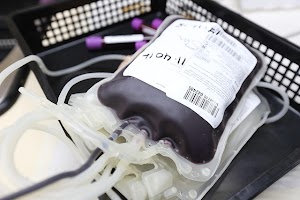
SEOBLOGREEN - The emergency is real. It is severe. The American Red Cross just announced it. A national blood shortage grips the country. It is the lowest blood donor turnout in 20 years. That is a startling statistic.
Hospitals are facing a crisis. Doctors are worried. The blood supply has plummeted by about 35% in the past month. Imagine an empty refrigerator, but instead of food, it is life-saving blood. Dr. Pampee Young, a Red Cross chief medical officer, called this one of the most distressing situations for a doctor. She is right.
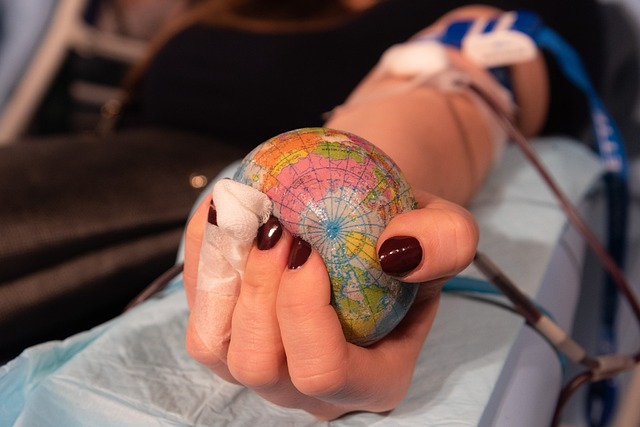 |
| Photo From Pixabay |
The Alarming Numbers and Immediate Impact
A person needs blood every two seconds in America. This shortage means those lives are now at risk. The numbers tell a story of desperation. Over the last two decades, the number of people donating to the Red Cross has dropped by nearly 40%. The recent holiday season was brutal. A nearly 7,000-unit shortfall hit between Christmas and New Year's Day.
This is not a theoretical problem. This is immediate. Hospitals are being forced to triage critical blood products. They must make excruciating decisions. Surgeries are being delayed. Life-saving treatments might be postponed. This is the reality when the shelves are empty.
Who is on the Line?
Everyone depends on the blood supply. But some patients are more vulnerable. Trauma victims need it immediately. So do mothers in childbirth who suffer complications. Cancer patients undergoing chemotherapy rely on transfusions. Those with sickle cell disease need frequent, compatible blood. Delays for these patients can be fatal. Each minute matters.
Dr. Courtney Lawrence, a Red Cross divisional chief medical officer, spoke about the impact. She noted that almost one-third of the organization's blood stores are gone. Depleted. This is not sustainable.
The Perfect Storm: Why Donors Stayed Home
The current crisis is a mix of unfortunate events. A perfect storm, as some call it.
Winter Weather and Illness
Winter weather is one major culprit. Inclement conditions forced the cancellation of over 400 Red Cross blood drives. That's thousands of uncollected donations. Simultaneously, the U.S. is experiencing a moderately severe flu season. Flu and other respiratory illnesses keep people away. Donors feel sick. They must care for loved ones who are sick. It creates a vacuum.
The Post-Pandemic Shift
Another factor is a change in American work culture. The shift to remote work is a convenience for many. But it is a challenge for blood collection. Pre-pandemic, many blood drives were held at workplaces. These large, organized drives provided a steady stream of donors. Now, with fewer people in offices, it is harder for the Red Cross to reach donors.
A Story of Life: Why Donation Matters
The stakes are personal. Ask Reihaneh Hajibeigi. The 34-year-old from Austin, Texas, is a mother. Blood transfusions saved her life in 2023. She hemorrhaged after giving birth. She lost about 40% of her total blood volume during the procedure. Doctors raced to give her a transfusion. "Fortunately, they had the blood on hand," she recounted. It brought her back to life.
Then there is 9-year-old Finn Ward. He has B-cell acute lymphoblastic leukemia. He has received countless blood products. His mother is grateful for every donor. Without the generosity of strangers, Finn would not be here. These stories are the heart of the crisis. They are a call to action.
The Red Cross is urging all eligible people to donate. All blood types are needed. Type O, A negative, and B negative are especially critical. Giving blood is a small act. It takes little time. But it provides hope. It can be the difference between life and death. The time to act is now.
Source: abcnews.com *
#**bloodshortage #AmericanRedCross #blooddonation**