SEOBLOGREEN - We face a crisis. It is a quiet crisis. The global blood supply is always short. Every year, millions of patients need transfusions. Many countries struggle to keep the stock safe and sufficient. Hospitals must constantly worry. They run on a thin margin of life-saving liquid.
For decades, the debate was simple: should we pay donors? The logic seems sound. Give people money. They will donate. Simple economics. But research often proved this idea wrong. It backfired. It had a 'crowding-out' effect.
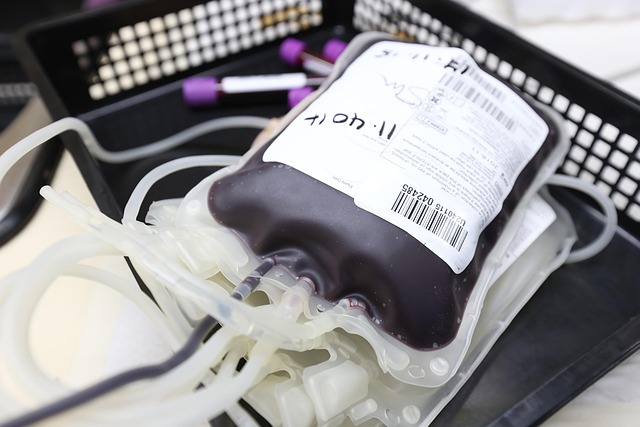 |
| Photo From Pixabay |
When money entered the equation, altruism left the room. People who donated out of the goodness of their heart suddenly felt cheapened. They thought, "Am I a commodity now?" They stopped coming. The supply did not increase. Sometimes, it even dropped. This was the famous Titmuss hypothesis.
The Problem with the Green Incentive
Richard Titmuss was right in his influential work. He found that a purely voluntary system was often more effective. It screened out donors who might lie about their health for cash. It fostered a community of true givers. But we still need more blood. The need is always increasing. Medical science saves more lives. They require more blood to do it.
So, how do we solve this? How do we motivate the masses without corrupting the noble act of giving?
We look to something deeper than the wallet. We look to the human need for recognition. The human desire to be seen as good. This is where the new research shines. It is the key.
The Power of the Honor System
A new study gives us the answer. The focus is on non-monetary, 'honor-based' incentives. Think about that term. Non-monetary. Not cash. 'Honor-based.' All about status and respect.
What are these incentives? They are simple things. A badge. A special pin. A personalized thank-you note from the hospital director. A public listing of names on a 'Wall of Heroes.' Things that cost very little. Things that boost self-esteem hugely.
The findings are powerful. They show a clear link. These honor-based systems significantly increase the frequency of donations. People come back. They feel valued. They feel part of an elite group. A group of life-savers.
Case Study: The Donor's Badge
Imagine an office worker named Sarah. She donates once a year. She feels good about it. But life is busy. She forgets the date.
Then, her local blood drive changes its policy. After five donations, you get a special gold-plated pin. A 'Five-Time Hero' pin. After ten, a certificate of recognition is framed and sent to your home. It includes a handwritten note from a patient.
Sarah sees the pin. She starts tracking her donations. She wants that pin. It is not about the metal. It is about what the metal represents. It is a visible sign of her quiet heroism. Her colleagues notice it. They ask about it. She tells her story. Her act of altruism is now public. It is social currency. It is honor.
The research confirms this psychology. Monetary rewards treat blood as a transaction. Honor-based incentives treat it as a gift. A highly valued gift. The donor receives a social return on investment. Not a financial one.
This is critical for long-term supply. We need regular donors. Not one-time cash grabbers. The person coming back every three months is the backbone of the system. The honor system builds this loyalty. It reinforces their identity as a humanitarian.
Implementation is Simple
The beauty is in the simplicity. Blood banks do not need to raise millions. They need to change their approach. Shift from simple cookies and juice to meaningful recognition.
A small ceremony for 'Milestone Donors.' A simple certificate. A personalized t-shirt that says, "I Save Lives." These are tangible symbols. They convert an invisible act of goodness into visible social proof.
The message is clear. Altruism is a powerful force. But even altruism needs a spotlight. It needs a stage. When we acknowledge the sacrifice, we increase the supply. When we honor the givers, the givers multiply. The future of blood supply does not lie in our wallets. It lies in our hearts. And in the pride we take in our actions. This is good news for every hospital. And every patient waiting for a miracle drop.
Source: medicalxpress.com
#blooddonation #non-monetaryincentives #altruism